
Tagline
Iraq’s New Basra–Fishkhabur Export Pipeline: A Strategic Energy Route Connecting Southern Oil Fields to Global Markets
Iraq is Strengthening Its Position as a Regional Logistics Hub
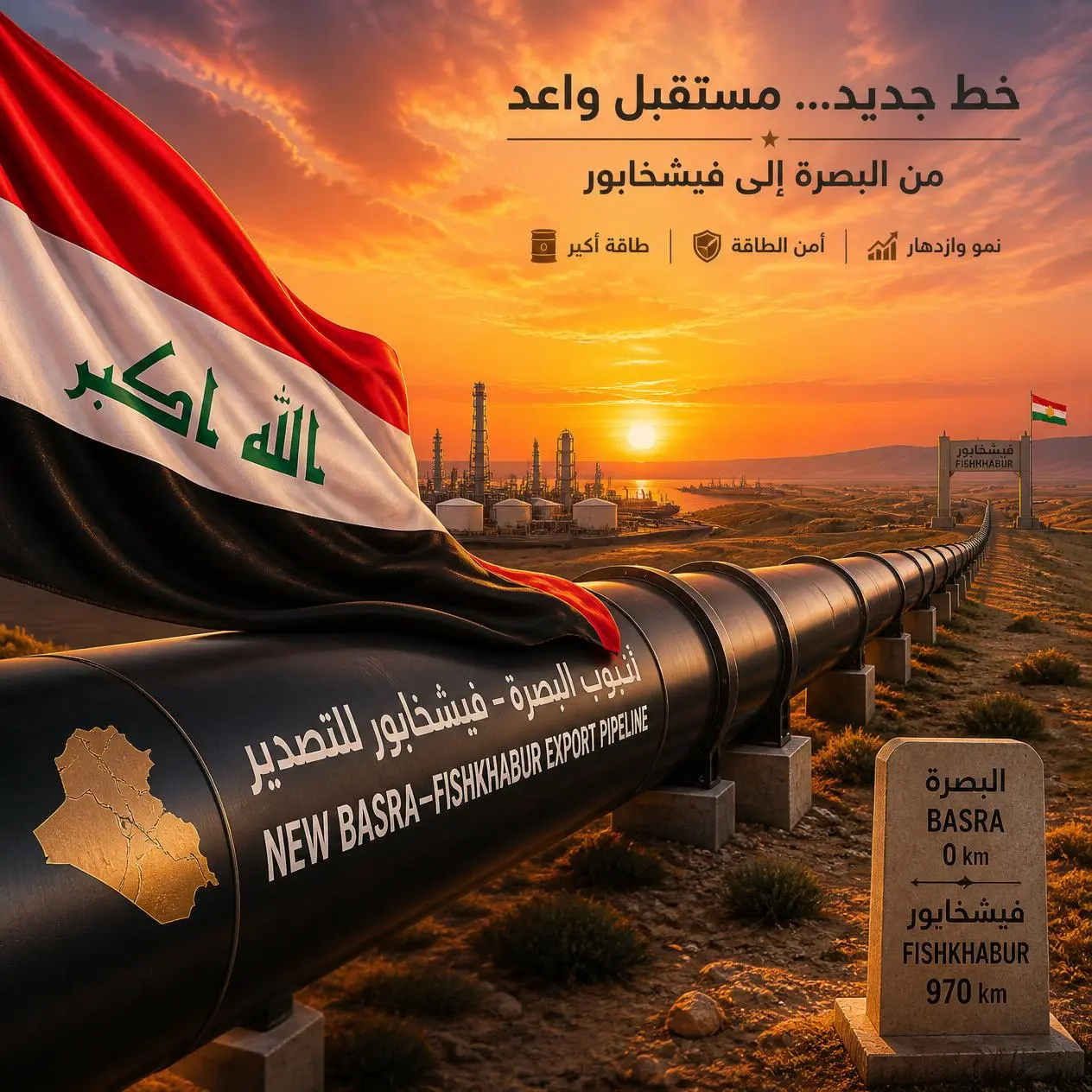
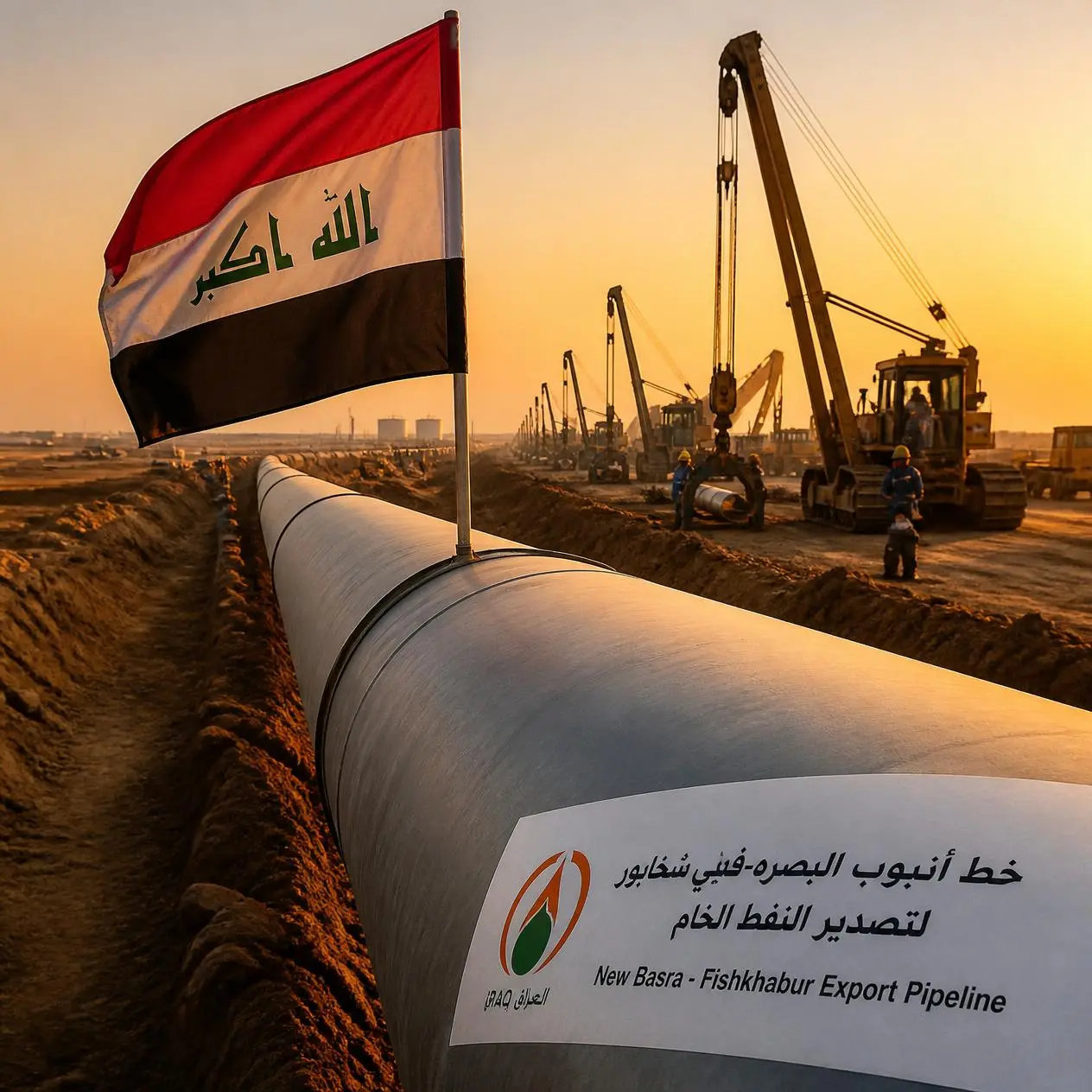
Iraq’s proposed Basra–Fishkhabur export pipeline represents a major strategic energy initiative designed to strengthen the country’s oil export infrastructure, improve transportation flexibility, and create new opportunities for regional energy connectivity.
This project reflects Iraq’s broader goal of building a more resilient oil transportation network capable of supporting future production growth, reducing bottlenecks, and improving access to international markets.
Tagline
What Is the Basra–Fishkhabur Export Pipeline?
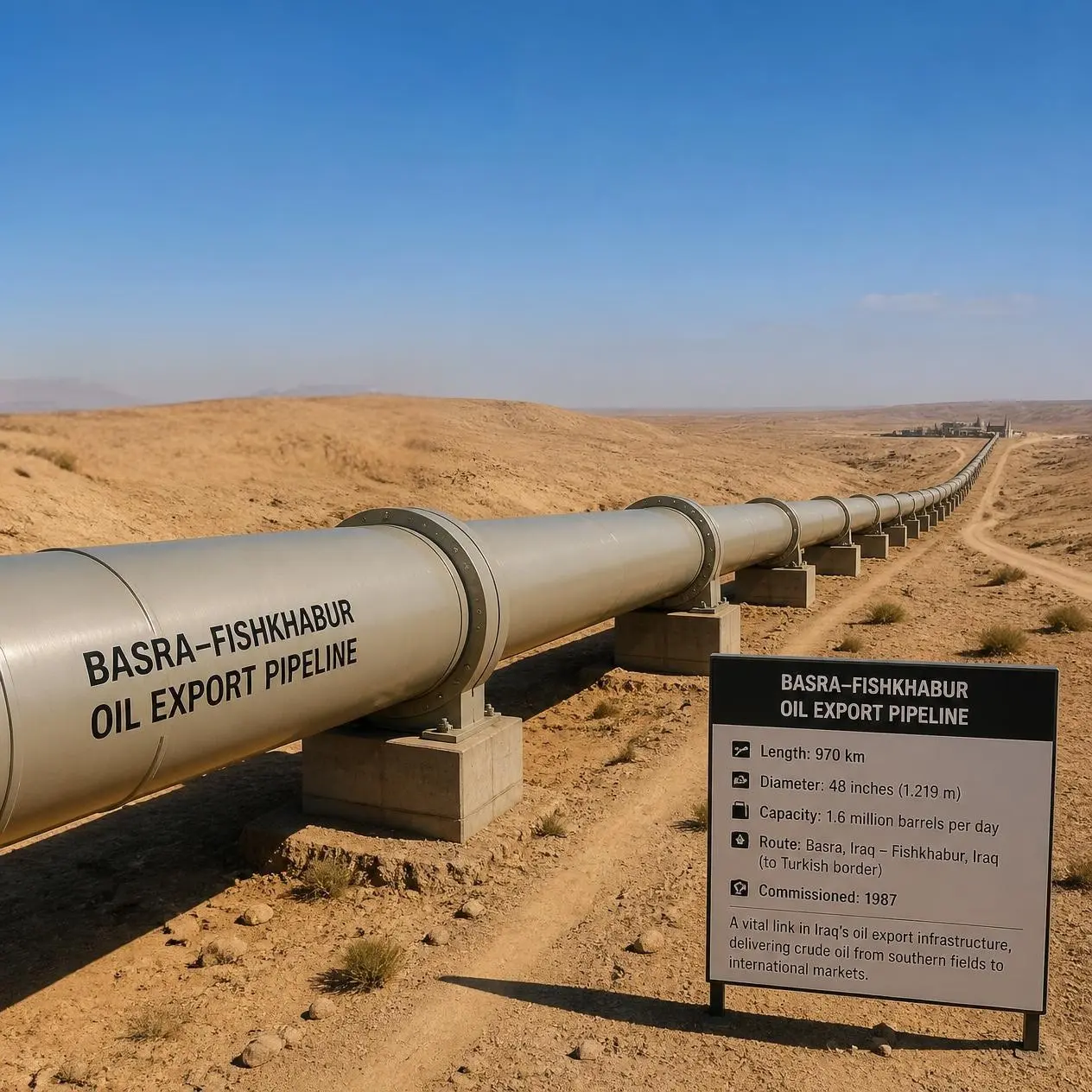
The Basra–Fishkhabur export pipeline is a proposed oil transportation project intended to link Iraq’s southern oil production hub with the northern part of the country.
Basra is home to some of Iraq’s largest oil fields and serves as the center of the country’s petroleum export activities through facilities connected to the Persian Gulf.
Fishkhabur, located near Iraq’s northern border, is strategically important because of its proximity to regional energy routes and existing export connections.
By connecting these two areas, the pipeline could provide Iraq with additional flexibility in moving crude oil between different export corridors.
Why Is Iraq Developing a New Export Pipeline?
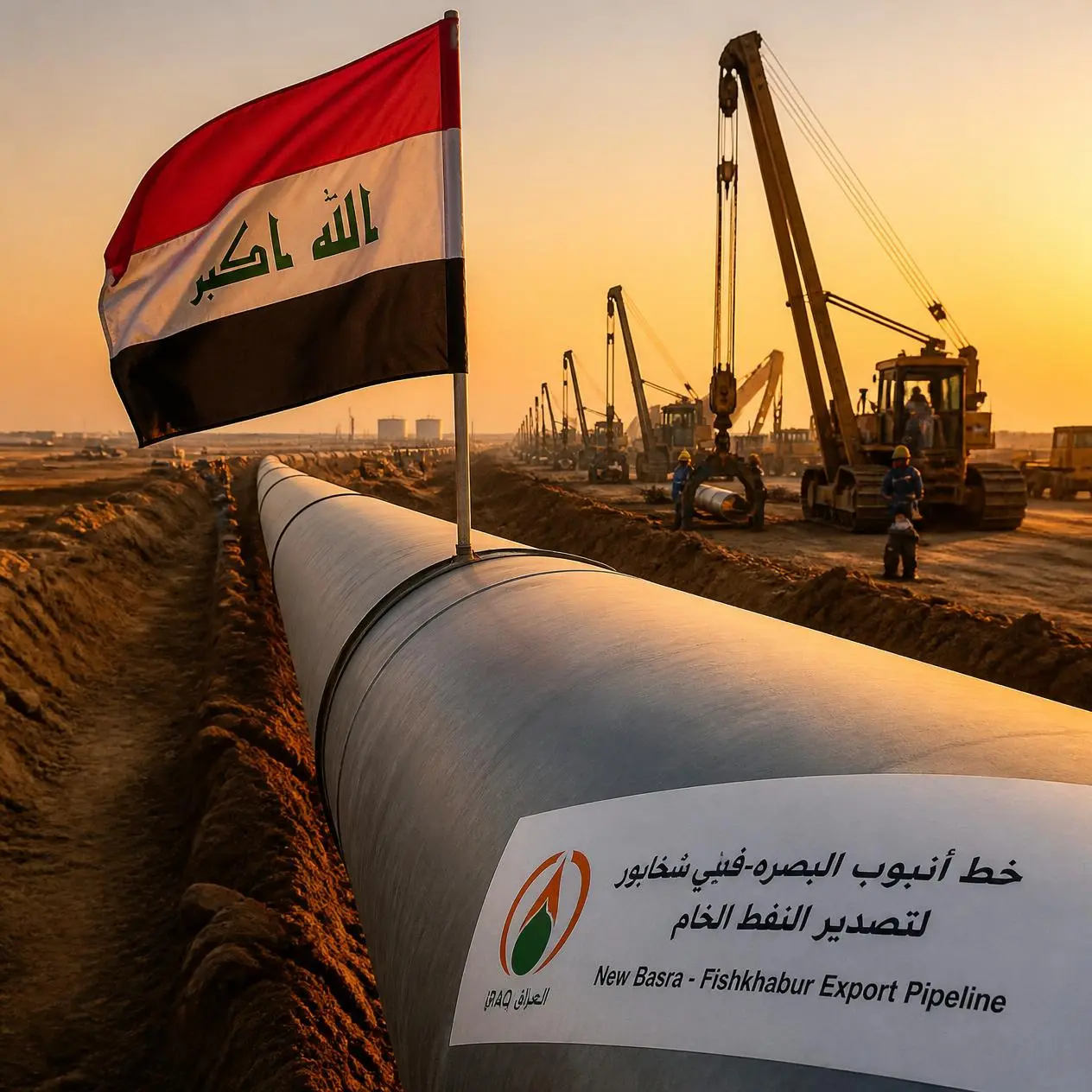
1. Increasing Export Flexibility
Iraq relies heavily on southern export infrastructure. Expanding pipeline networks can provide alternative transportation options and help reduce dependence on a single export pathway.
A diversified export system can improve operational reliability and allow Iraq to respond more effectively to changes in regional energy markets.
2. Supporting Future Oil Production Growth
Iraq holds some of the world’s largest proven oil reserves and continues attracting international energy investment.
As production capacity develops, transportation infrastructure becomes increasingly important. Pipelines provide a reliable method for moving large volumes of crude oil efficiently over long distances.
3. Strengthening Energy Security
Modern pipeline networks contribute to national energy security by improving control over critical infrastructure.
A more connected system can help Iraq manage supply routes, maintenance requirements, and unexpected disruptions.
The Strategic Importance of the Basra-to-North Connection
The geographical position of Iraq gives it a unique role in regional energy transportation.
A pipeline linking Basra and Fishkhabur could potentially connect southern production areas with northern trade routes, creating greater flexibility for Iraq’s energy exports.
The project also highlights the importance of infrastructure investment in supporting Iraq’s economic development.
Economic Benefits of Pipeline Infrastructure Development
Large-scale energy projects can create economic benefits beyond oil transportation.
Potential advantages include:
Job Creation
Pipeline construction, maintenance, engineering, and supporting services can generate employment opportunities.
Investment Attraction
Major infrastructure projects can encourage additional domestic and international investment in Iraq’s energy sector.
Regional Connectivity
Improved infrastructure can strengthen Iraq’s role as a bridge between energy-producing regions and international markets.
Challenges Facing the Project
Although strategic infrastructure projects offer significant opportunities, they also involve complex challenges.
Technical Requirements
Long-distance pipelines require advanced engineering, environmental planning, and ongoing maintenance.
Financing and Investment
Large infrastructure developments require significant financial resources and long-term planning.
Regional Considerations
Energy infrastructure projects must consider regional cooperation, security conditions, and market demand.
Iraq’s Future Energy Infrastructure Strategy
The Basra–Fishkhabur pipeline fits within a wider discussion about Iraq’s future energy strategy.
Beyond increasing export capacity, Iraq is working toward improving energy infrastructure, attracting investment, and maximizing the value of its natural resources.
A modern and diversified pipeline network could become an important foundation for Iraq’s economic growth and regional energy role.
About the Author
Energy & Infrastructure Research Team
This article was prepared by researchers focusing on Iraq’s energy sector, infrastructure development, and regional economic trends. Our analysis focuses on explaining major projects, their strategic importance, and their potential impact on Iraq’s future development.