
Iraq is taking an important step toward modern waste management, resource recovery and the circular economy. A new Master Agreement between Iraq’s General Company for Carbon Economics (GCCE) and German waste-management technology company Sutco RecyclingTechnik GmbH aims to develop an integrated waste-management project in Baghdad capable of processing approximately 6,000 tonnes of waste per day.
The agreement represents more than a waste-management initiative. It could create new opportunities across logistics, recycling, agriculture, energy, manufacturing and environmental investment while helping Iraq move toward a more resource-efficient economy.
For companies operating in Iraq, the development also highlights the growing importance of reliable logistics, transportation, customs clearance and supply-chain infrastructure supporting major environmental and industrial projects.
What Is the New Baghdad Waste-Management Project?
The project was announced following the signing of a Master Agreement between the General Company for Carbon Economics, a company associated with Iraq’s Ministry of Environment, and Germany-based Sutco RecyclingTechnik GmbH.
According to the announcement, the planned facility is expected to process approximately 6,000 tonnes of municipal waste every day. The project is designed around resource recovery rather than simply disposing of waste.
The planned outputs include:
- Organic fertilizer production
- Sustainable Aviation Fuel (SAF)
- Recovery of recyclable materials
- Resource recovery for local industries
- Potential carbon-market opportunities
- New economic and employment opportunities
Sutco describes the agreement as an important step toward a long-term partnership focused on sustainable waste management and a circular economy in Iraq.
Why 6,000 Tonnes of Waste Per Day Matters
The scale of the proposed project is significant.
Baghdad generates an estimated 9,000–10,000 tonnes of municipal waste per day, according to data referenced by JETRO from Iraqi sources. A planned processing capacity of 6,000 tonnes per day could therefore represent a substantial share of the capital’s daily waste stream. JETRO+1
This changes the way waste can be viewed.
Instead of considering municipal waste only as a disposal problem, an integrated system can potentially treat waste as a source of:
- Recyclable materials
- Organic resources
- Industrial feedstock
- Fertilizer
- Alternative fuels
- Environmental value
This is the basic principle behind the circular economy: keeping materials and resources in productive use for as long as possible instead of simply disposing of them.
From Waste Management to a Circular Economy
Traditional waste management often ends with collection, transportation and disposal.
A circular waste-management model aims to go further.
Materials are separated, recovered, processed and returned to the economy wherever possible. Organic materials can become useful agricultural products, recyclable materials can become industrial inputs, and suitable waste streams can potentially be converted into energy or fuels.
For Iraq, this approach could create connections between several sectors that are normally viewed separately:
Waste → Recovery → Manufacturing → Agriculture → Energy → Logistics → Economic Growth
This is one of the most important aspects of the Baghdad project.
It is not simply about building a waste-treatment facility. It is about creating an infrastructure system capable of turning an environmental challenge into economic resources.
Organic Fertilizer Could Support Iraq’s Agricultural Sector
One of the reported objectives of the project is the production of approximately 500,000 tonnes of organic fertilizer annually.
The fertilizer component is particularly important because it connects waste management with agriculture.
Organic material represents a significant part of Baghdad’s municipal waste stream. Iraq’s climate investment planning documents identify organic waste as a major component of municipal solid waste. The United Nations in Iraq
Recovering suitable organic material and converting it into useful agricultural products could help create a more integrated domestic resource cycle.
Instead of:
Waste → landfill
the objective becomes:
Organic waste → processing → fertilizer → agriculture
That is a fundamental shift in how cities can think about waste.
Sustainable Aviation Fuel: Connecting Waste and Aviation
Another notable component of the proposed project is Sustainable Aviation Fuel (SAF).
The project has been reported as targeting approximately 100 tonnes of SAF per day.
SAF is increasingly important to the global aviation industry as airlines, airports and governments look for ways to reduce the carbon intensity of aviation.
For Iraq, developing domestic capabilities around waste-derived or other sustainable fuel pathways could eventually create connections between the country’s waste sector, energy sector and aviation industry.
It also demonstrates how modern waste infrastructure can have applications far beyond municipal services.
What Does This Mean for Logistics in Iraq?
Large-scale waste-management infrastructure requires much more than processing technology.
It requires logistics.
Thousands of tonnes of material must move through a coordinated network of collection points, transfer locations, treatment facilities, storage areas and downstream destinations.
That creates potential demand for:
- Heavy road transportation
- Containerized shipping
- Equipment transportation
- Warehousing
- Customs clearance
- Project cargo handling
- Cross-border freight
- Spare-parts logistics
- Industrial supply-chain management
This is where Iraq’s logistics sector becomes an essential part of the country’s infrastructure development.
A modern circular-economy project cannot operate efficiently without a reliable physical supply chain behind it.
Why International Supply Chains Matter
Projects of this scale can involve equipment, machinery, components and technical systems sourced from multiple countries.
For international suppliers entering Iraq, moving equipment from the point of manufacture to the final project location can involve several stages:
Each stage needs to be coordinated carefully.
Delays at any point can affect project schedules, installation activities and operating costs.
This is particularly important for large or specialized equipment, where project cargo transportation requires careful planning around dimensions, weight, documentation, routing and handling.
Germany–Iraq Cooperation and New Investment Opportunities
The agreement also demonstrates the potential for deeper economic cooperation between Iraq and Germany.
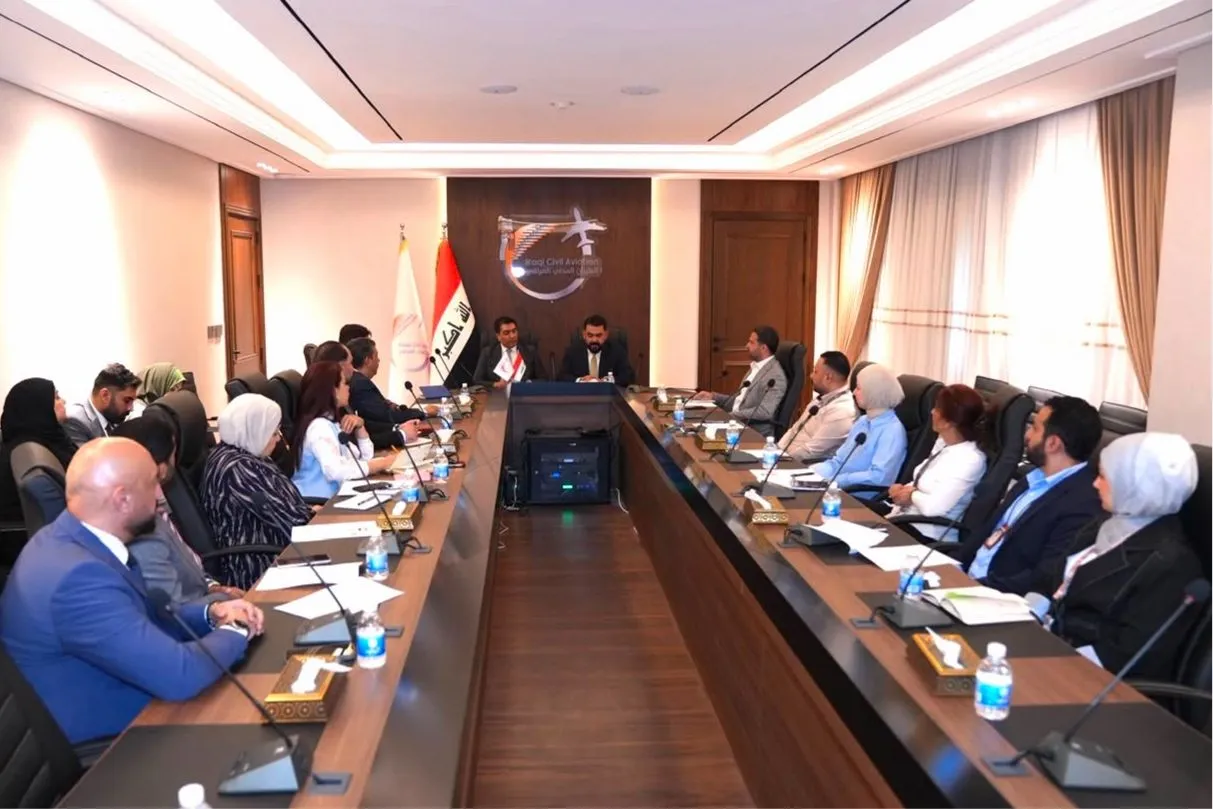
AHK Iraq described the project as an example of German-Iraqi cooperation in sustainable waste management and highlighted the role of German technology and expertise in sustainable infrastructure development. LinkedIn
Sutco has similarly described the agreement as the beginning of a shared journey toward a more sustainable and resource-efficient future for Baghdad and Iraq. sutco.com
For international companies, developments like this can signal broader opportunities in Iraq across:
- Environmental infrastructure
- Recycling
- Industrial technology
- Renewable and alternative fuels
- Agriculture
- Construction
- Engineering
- Transportation
- Freight forwarding
- Warehousing
- Customs and trade services
Carbon Credits: An Opportunity, Not Yet a Guaranteed Outcome
The original LinkedIn announcement also refers to the potential generation of up to approximately 2 million tonnes of carbon credits annually.
This should be treated carefully.
Carbon-credit generation depends on project design, methodology, monitoring, verification and applicable carbon-market rules. Therefore, the figure should be understood as a potential estimate rather than a guaranteed future output.
If successfully developed and independently verified, carbon-market opportunities could add another economic dimension to Iraq’s waste-management infrastructure.
The broader concept is important: reducing emissions can potentially create environmental value that is measurable and, subject to applicable standards, tradable.
What Happens Next?
The signing of the Master Agreement is an important milestone, but it is not the same as the completion or operation of the facility.
The next stages will be particularly important.
They may include detailed project planning, engineering, financing, site development, procurement, construction, equipment delivery, installation, commissioning and eventual operation.
As of the latest reporting, details such as the project’s final cost, construction schedule and financing arrangements had not been publicly disclosed. JETRO
For businesses and investors watching Iraq’s green economy, these next stages will be worth following closely.
What This Could Mean for Iraq
If successfully implemented, the Baghdad project could become an important example of how Iraq can approach infrastructure development through a waste-to-resource model.
The potential benefits extend beyond cleaner waste management.
They include:
- Better resource recovery
- New industrial inputs
- Domestic fertilizer production
- Potential sustainable-fuel production
- New logistics and transportation requirements
- Skilled employment opportunities
- International technology partnerships
- Potential carbon-market participation
- Stronger foundations for a circular economy
The most important idea is simple:
Waste does not have to be the end of the supply chain. It can become the beginning of a new one.
The Logistics Opportunity Behind Iraq’s Green Transition
At Manifest Express, we believe Iraq’s infrastructure future depends on connecting international expertise with reliable local logistics.
Major projects require more than investment and technology. They require the ability to move machinery, equipment and materials efficiently from global suppliers to their final destination.
Manifest Express provides freight forwarding and logistics solutions connecting Iraq with international markets, including air cargo, road freight, container shipping, project cargo and customs clearance.
As Iraq continues developing infrastructure in waste management, energy, manufacturing and other strategic sectors, efficient logistics will remain a critical part of turning projects from plans into reality.
The future of Iraq’s economy will be built shipment by shipment.
Frequently Asked Questions
What is the Baghdad waste-management project?
It is a planned integrated waste-management and resource-recovery project involving Iraq’s General Company for Carbon Economics and German company Sutco RecyclingTechnik GmbH.
How much waste will the Baghdad project process?
The announced project is planned to process approximately 6,000 tonnes of municipal waste per day.
What will the project produce?
Reported plans include approximately 500,000 tonnes of organic fertilizer per year, around 100 tonnes of Sustainable Aviation Fuel per day, and recovered recyclable materials. LinkedIn+1
What is the circular economy?
The circular economy is an economic model that aims to keep materials and resources in use through reuse, recovery, recycling and regeneration rather than relying primarily on disposal.
Why is logistics important to waste-management projects?
Large-scale waste and resource-recovery facilities require transportation of waste, machinery, spare parts, equipment and recovered materials. International equipment procurement can also require freight forwarding, customs clearance, project cargo handling and inland transportation.
Is the Baghdad facility already operational?
No. The Master Agreement is an important development, but the facility is not being presented here as operational. Further project development, engineering, financing and implementation stages are required. Public reporting has not yet disclosed all details regarding the project’s cost, financing, construction schedule and operating timeline. JETRO
Final Thoughts
The Baghdad waste-management agreement represents an important conversation about Iraq’s future.
The opportunity is not simply to manage waste more efficiently. It is to build systems that connect environmental protection, agriculture, energy, manufacturing, carbon markets and logistics.
For Iraq, that could mean turning one of its major urban challenges into a source of new infrastructure, investment and economic opportunity.
For the logistics industry, it is another reminder that every major transformation depends on something fundamental:
moving the right materials, equipment and resources to the right place at the right time.
And that is where logistics becomes more than transportation.